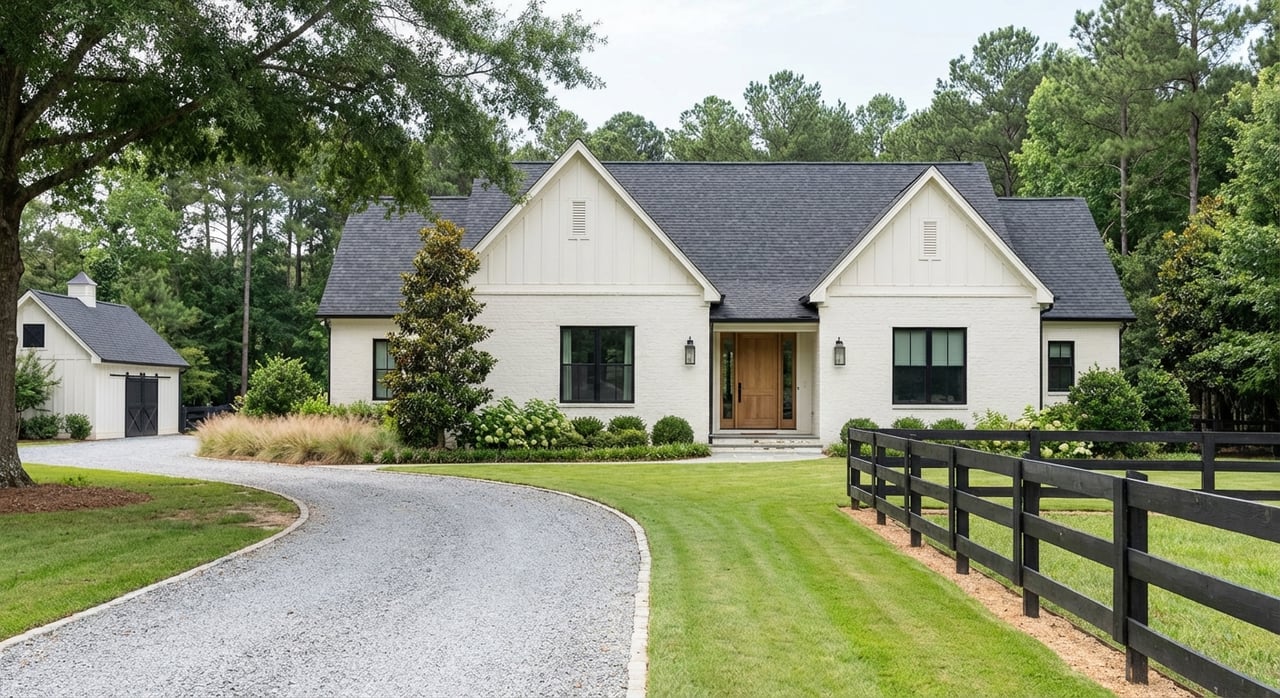
Imagine waking up to rolling pasture views, a private barn, or a fairway just beyond your back porch. If you’re drawn to space, privacy, and a lifestyle that blends outdoor living with luxury comforts, Milton may be exactly what you are looking for. You want clarity on acreage, equestrian setups, and club communities before you make a move. This guide breaks down the options, the costs you should expect, and the key due diligence steps that protect your investment. Let’s dive in.
Why Milton fits estate living
Milton is a rural, high-amenity city in North Fulton known for preserving open land and an equestrian identity. The city notes that roughly 85% of its land is agriculturally zoned, which commonly results in one-acre minimum residential lots across much of the area. You see large-lot neighborhoods, private drives, and natural buffers that keep the area’s calm, country feel. According to the City of Milton’s overview, preservation is a priority that shapes both lifestyle and home sites.
Milton is also one of North Fulton’s higher-priced markets, so estate buyers often plan for premium budgets and careful selections. You will find everything from custom homes on one to three acres to expansive equestrian estates on 10 acres or more.
Equestrian properties: what to expect
Milton’s equestrian identity is real, with a city Equestrian Committee, mapped farms, and community support for barns and horse culture. The equestrian community is dispersed across the city, which means you can shop for horse-ready properties in several pockets rather than one single district.
Lot size and siting
Because much of Milton uses agricultural zoning, minimum lot sizes commonly start at one acre. If you plan to keep horses, you will likely target 3 to 10 or more acres for paddocks, turnout, and an arena. Larger working farms can stretch to dozens or even hundreds of acres. Always verify parcel-level zoning and permitted uses through the city’s Unified Development Code.
Barns, arenas, and on-site features
A well-planned horse property usually includes a mix of the following:
- 2 to 10 stall barns, plus tack room and wash rack
- Run-in sheds and fenced paddocks with good drainage
- All-weather arena footing and a logical paddock layout
- Storage for hay and implements, plus trailer or RV parking
- Perimeter fencing and clear access for service vehicles
Milton places cultural value on barns and horse facilities, which shows up in city resources that support equestrian life.
Permits, utilities, and code basics
Most equestrian improvements require permits and must comply with local development rules. Barns, accessory structures, grading for arenas, and driveways go through city review. Many estate lots rely on private wells and on-site septic systems. Before you write an offer, confirm whether a property uses public utilities or requires private systems. For septic, consult the Georgia Department of Public Health’s Onsite Sewage resources and coordinate with local environmental health for permitting and inspections.
What to verify before you buy
You want to confirm more than just acreage count. Add these checks to your shortlist:
- Zoning and permitted uses in the city’s Unified Development Code
- Condition and layout of barns, stalls, footing, and fencing
- Soil, drainage, and the presence of wetlands or floodplain
- Recorded easements that could limit fencing or trail access
- Feasibility of septic and well systems if applicable
Golf and club-centered estates
If you prefer a social hub with amenities, Milton’s club communities deliver golf, swim, tennis, fitness, dining, and year-round programming. White Columns Country Club features a Tom Fazio course and anchors an estate neighborhood known for privacy and space. The Manor Golf & Country Club is another well-known community with a Tom Watson course and luxury estate sections.
Membership structures can evolve over time. Larger operators have acquired select metro Atlanta clubs, which can shape capital improvements, programming, and membership options. If club amenities are a key part of your lifestyle, review membership categories, transfer fees, and waitlists before you close.
Lot sizes, pricing, and design
In gated golf communities, estate sections often start around one acre and can extend to two to four or more acres for premium settings such as lakeside or fairway frontage. Finished estate homes commonly trade in a luxury range, with exceptional properties priced higher depending on lot, size, and finishes. Expect an HOA, architectural review, and design standards that keep the neighborhood cohesive.
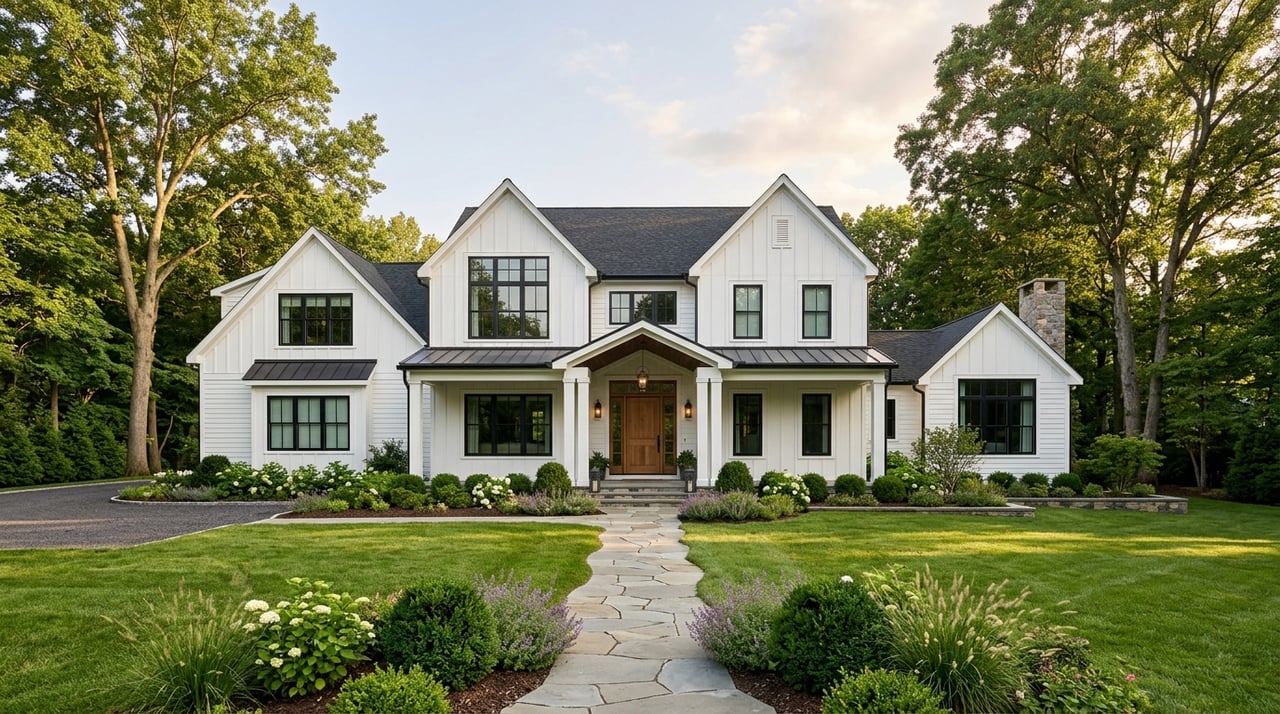
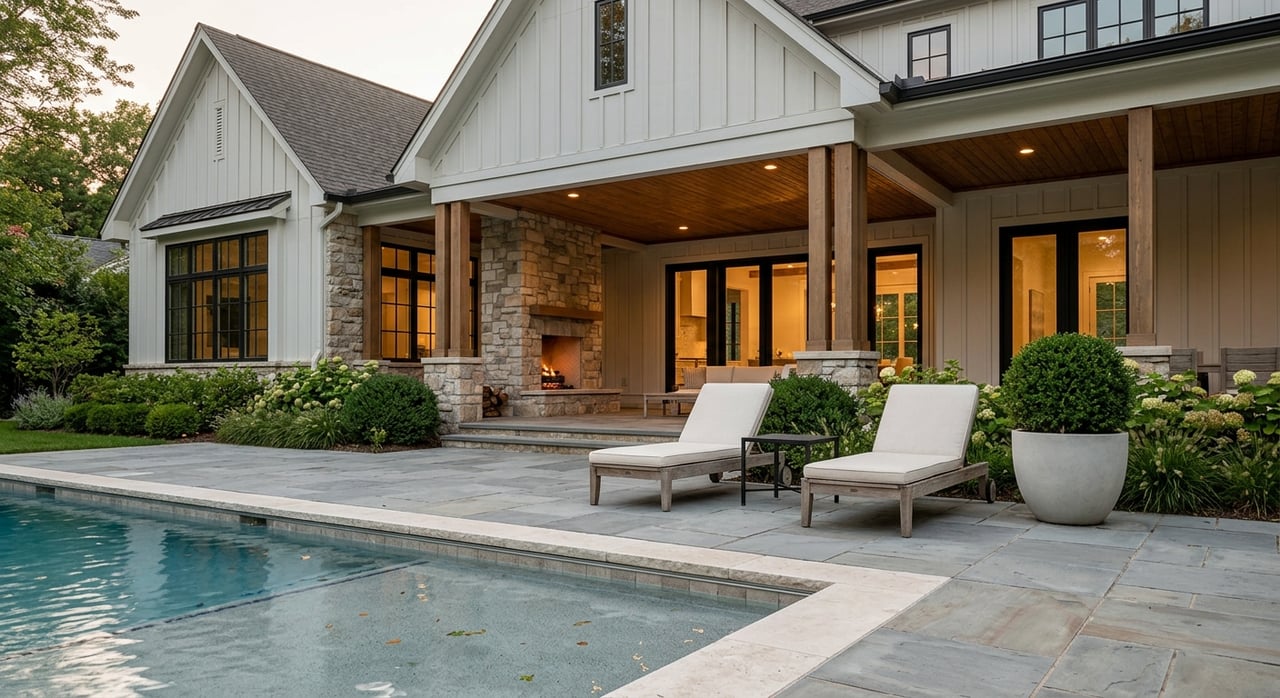
Architectural styles often include modern farmhouse, Southern Colonial or Georgian brick, French provincial, and traditional brick. Many homes feature large porches, terrace-level living, and high-end finish packages that match the club lifestyle.
Large-lot new construction
If you want new systems, warranty coverage, and a fresh design, Milton’s large-lot new construction is compelling. National luxury builders and regional custom teams offer plans on one-acre or larger sites, often in the 3,500 to 6,000-plus square foot range. You can balance classic exteriors with contemporary interiors and build a home that fits Milton’s rural aesthetic.
Large-lot builds require more site work than a typical suburban lot. Plan ahead for driveway design, grading, drainage, erosion control, and septic or water connections if not on public systems. City zoning and building reviews set the pace, so factor permitting timelines into your schedule.
Green space and the Milton feel
Milton’s rural character is not an accident. The city emphasizes preservation in its planning and highlights its equestrian heritage, barns, and open space. That commitment gives you the privacy and breathing room many buyers seek, with an established identity that feels consistent across neighborhoods.
How to choose: a quick guide
Use your lifestyle priorities to narrow the field:
- If you plan to keep horses: Focus on 3 to 10 or more acres, confirm equine-permitted zoning, and prioritize paddock layout, drainage, and arena potential.
- If you want amenities and community life: Target club estates near golf, swim, tennis, and dining. Review membership options and HOA guidelines early.
- If you want a blank slate: Explore large-lot new construction with builders who understand septic design, grading, and Milton’s review process.
Due diligence checklist for Milton estates
Bring this list to every showing and before any offer:
- Zoning certification and a copy of the city’s Unified Development Code.
- Utility status: public water and sewer vs. private well and on-site septic.
- Septic records or soil report if on private systems.
- Recent survey with boundaries and recorded easements.
- Structural inspection of barns, arena footing, and fencing.
- HOA documents, Design Review Board rules, and any club transfer or membership fees.
- Appraisal strategy for house plus acreage and lender pre-approval that fits large-lot or hobby-farm guidelines.
- School verification via the city’s Milton Area Schools page and confirmation with the district for exact assignments.
Working with a Milton expert
Success in Milton comes down to matching lot type, lifestyle, and technical feasibility. Whether you want a horse-ready property, a fairway-view estate, or a new build on an acre-plus, the right advisor will help you balance aesthetics with permits, utilities, and long-term value. If you are ready to explore, connect with a broker who can read site plans, speak builder, and navigate club details with ease.
Ready to walk properties that fit your life and your goals? Schedule a private consultation with Rony Smith-Ghelerter to get a curated list and a clear plan.
FAQs
What zoning supports horses in Milton?
- Milton widely uses agricultural zoning with one-acre minimums in many areas. Always verify parcel-specific permitted uses through the city’s Unified Development Code before you buy.
How many acres do I need for a hobby farm with horses?
- Many buyers target 3 to 10 or more acres for comfortable turnout, paddocks, and an arena. Larger operations can require significantly more, depending on your program and layout.
Are septic systems common on Milton estates?
- Yes, many large-lot properties use on-site septic and sometimes private wells. Review records and soil reports and consult Georgia’s Onsite Sewage guidance to confirm feasibility before closing.
What club amenities can I expect in Milton’s golf communities?
- Club neighborhoods often feature golf, swim, tennis, fitness, dining, and social programming. White Columns Country Club is a local example with a Tom Fazio course and full-service amenities.
How do HOAs and design review affect custom homes?
- Most gated and club communities require architectural review to maintain design standards. Expect submittals for elevations, materials, and site plans, guided by community rules and the city’s development code.
How can I confirm school options for a specific Milton address?
- Start with the city’s Milton Area Schools page to see nearby schools, then confirm the exact assignment with the district. Boundaries and assignments can change, so verify before you make an offer.
According to the City of Milton’s overview