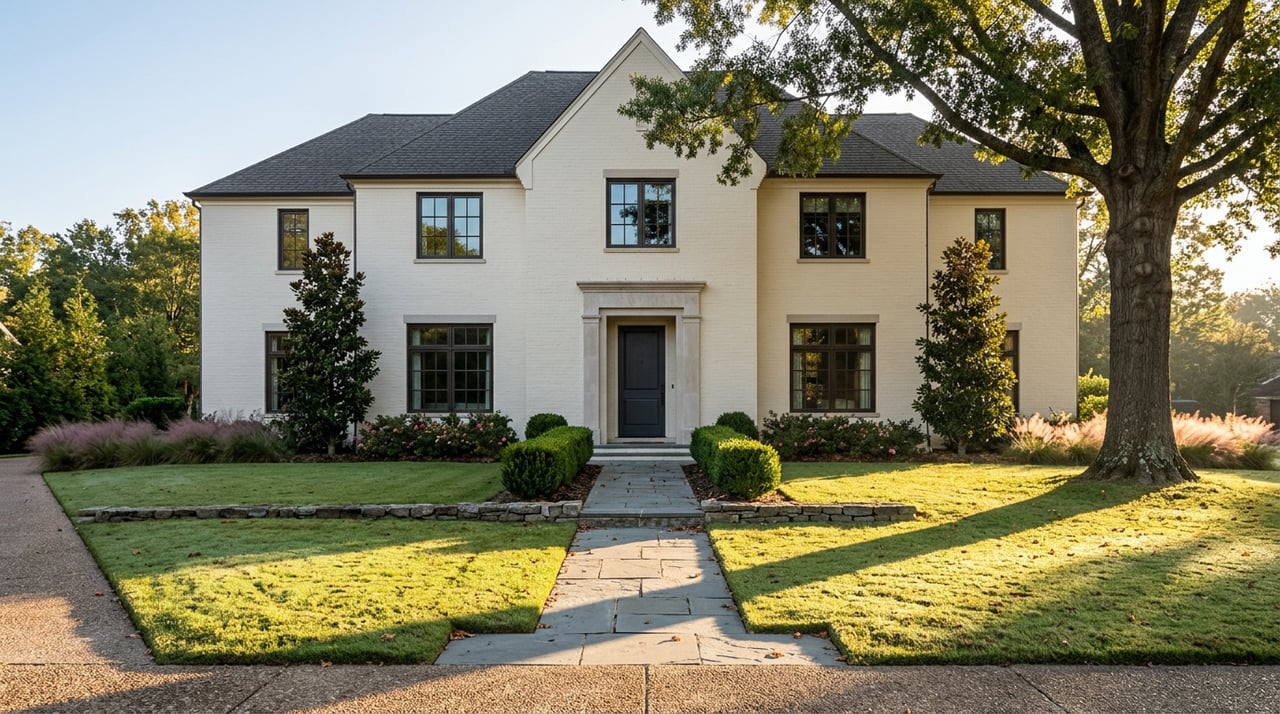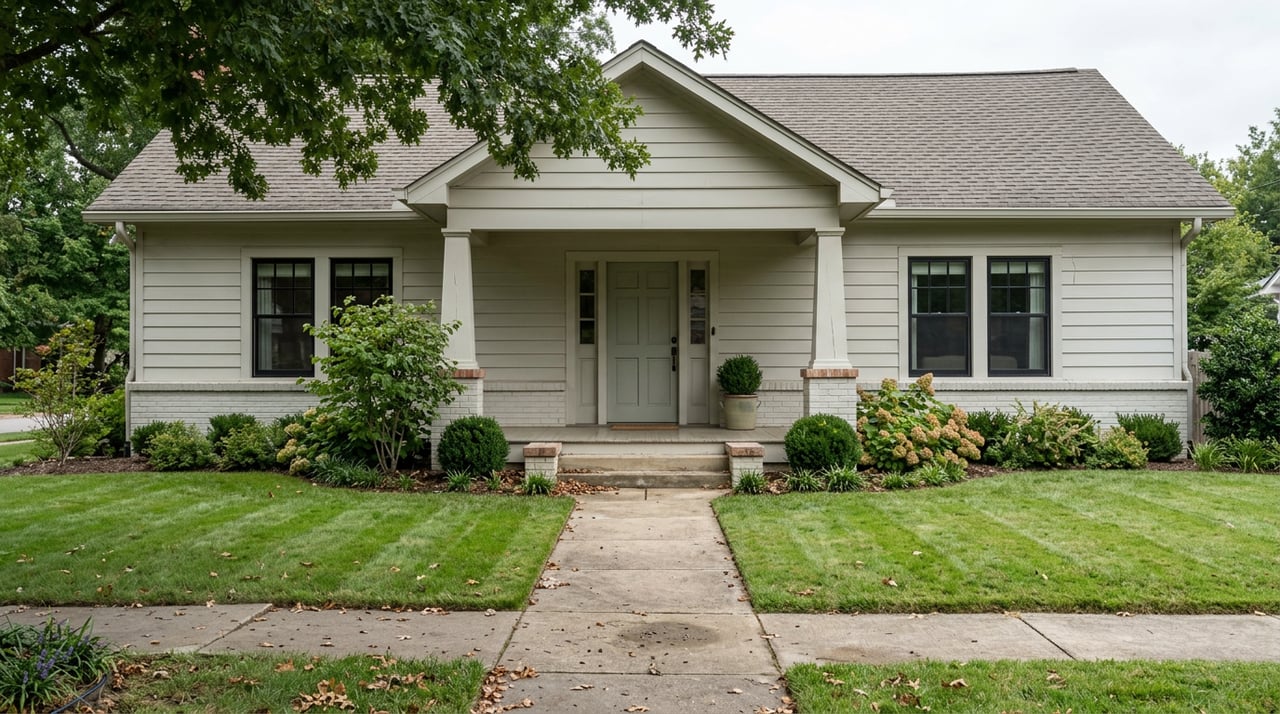
Drive down Medlock Bridge Road on any given afternoon and you'll pass a dozen private gates in under ten minutes. Each one guards a legally separate homeowners association: some run by a hired management company with a country club attached, some run by a volunteer board using a shared spreadsheet. Sugar Mill's residents association manages itself. St. Ives Country Club, a few turns away, runs a 24-hour gated entrance and a Tom Fazio golf course through professional staff. Winfield on the River, tucked against the Chattahoochee with 76 estate lots, has its own small board handling its own gate contract.
That patchwork matters more than usual right now. On May 12, 2026, Governor Brian Kemp signed Senate Bill 406, the Georgia Property Owners' Bill of Rights Act, into law. It's the first statewide framework Georgia has ever imposed on how HOAs operate, and most of it takes effect January 1, 2027. If you're closing on a home in a Johns Creek HOA community this fall or winter, the law you're buying or selling under is mid-transition, and the fifty-plus separate associations inside city limits are not all moving through that transition at the same speed.
What the Law Actually Changes
SB 406 passed the Senate 51-0 and the House 155-10 on March 31, 2026, a margin that tells you this wasn't a partisan fight so much as a response to years of complaints from homeowners about opaque board decisions and aggressive collection practices. The core provisions:
- Mandatory registration. Every HOA and condo association must register annually with the Georgia Secretary of State. An association that skips registration or affirmatively opts out becomes a "nonregistered owners' association" and loses the power to collect fines, file liens, or foreclose.
- A higher foreclosure floor. The minimum unpaid balance required before an association can initiate foreclosure rises from $2,000 to $4,000 in assessments, and fines or late fees no longer count toward that number.
- A new payment order. When an owner makes a partial payment, it must be applied to regular dues first, then special assessments, then fines and fees, reversing the order many older governing documents currently specify.
- Longer record retention. Associations must keep financial records for ten years, and owners gain an explicit statutory right to inspect them.
- Annual elections. Registered associations must hold yearly board elections with a formal process for contesting results.
One piece is already live. The attorney's fee and notice requirements took effect July 1, 2026, meaning any HOA collection action filed since that date already has to include an itemized fee statement and survive a judge's reasonableness review before fees can be passed to a homeowner. The rest of the law lands January 1, 2027. New associations formed on or after July 1, 2026, are automatically bound by it. Existing ones have until the new year to decide how they'll comply, or whether they'll comply at all.
The Part That Doesn't Get Said Out Loud
Registration is not automatic. It's a filing a board has to make, on purpose, every year, starting now. That single fact is the reason this law will land unevenly across a city like Johns Creek.
A large, professionally managed association with paid staff and legal counsel on retainer, the kind you find behind gates like St. Ives or Country Club of the South, has an obvious incentive to register on time. Losing the ability to collect fines or place a lien on a delinquent unit would be an operational headache management companies are built to avoid. Registration there is close to a formality.
A small, self-managed association is a different story. Sugar Mill's board runs the community itself, without a management company layer, the same way a lot of Johns Creek's swim-and-tennis neighborhoods do. Those boards are volunteers with day jobs, and a $100 annual filing with a state agency is exactly the kind of task that slips when nobody on the board owns it. If it slips, the association doesn't collapse. It simply loses its ability to enforce collections the way it always has, at least until the paperwork catches up.
One of the advocates who spent years pushing SB 406 through the legislature put it plainly to 11Alive before the bill was signed: "we don't understand how much of a difference SB 406 is going to make, because it is going to be so wide-spanning for all Georgians." That uncertainty isn't rhetorical. It's the actual state of play for anyone under contract right now.
What This Means If You're Closing Before January 1
If you're buying into an HOA-governed community in Johns Creek this fall or winter, the standard resale disclosure package (dues statement, governing documents, board minutes) is still your baseline. What's worth adding to that request list, given where the law stands today:
- Ask whether the association intends to register with the Secretary of State once the window opens, and who on the board is responsible for it.
- Ask whether governing documents still cite the old $2,000 foreclosure threshold or the old fee-then-dues payment order. Both will need amending to avoid conflicting with state law, and a board that hasn't started that process yet is a board that hasn't started thinking about the law at all.
- If the community is self-managed rather than professionally managed, that's not a red flag by itself. Sugar Mill has run this way for years. But it does mean the compliance timeline depends entirely on a volunteer board's bandwidth rather than a management company's existing legal infrastructure.
If you're selling, the payment-priority change is worth understanding even before it's fully in force. Once it takes effect, any payment you make toward an outstanding balance gets applied to regular dues first, not to fines or specific assessments the association may have layered on top. That can change how a lingering architectural-violation fine or a small unpaid assessment actually clears at closing, and it's worth confirming with the association's management (or its volunteer treasurer, if there isn't one) how they plan to apply it during the transition.
None of this changes what your dues will be. Georgia still has no statewide requirement that an association fund reserves at a specific level or commission a reserve study, a separate issue from anything SB 406 addresses. What the new law changes is who has the power to collect, how they can collect it, and how much paper trail they're required to keep while doing it. In a city built on dozens of independently governed communities, that's a meaningfully different question in every subdivision.
A Few Questions Worth Asking Before You Sign
Does this apply to condos, or just single-family HOAs? Both. SB 406 covers property owners' associations governed by recorded covenants as well as condominium associations under Georgia's Condominium Act.
What actually happens if my HOA never registers? It doesn't dissolve. It keeps functioning day to day, but it loses the legal ability to fine, lien, or foreclose on delinquent owners until it registers.
Will this affect my monthly dues? Not directly. The law reshapes collection mechanics and governance transparency. It doesn't touch fee amounts or reserve funding, which in Georgia still varies board to board with no statutory floor.
Buying or selling inside one of Johns Creek's HOA communities has always meant reading that specific association's documents rather than assuming a citywide standard. SB 406 raises the floor everywhere, eventually, but "eventually" is doing real work in that sentence through the end of this year. If you want a second set of eyes on what a specific community's governing documents say right now, and what they'll need to say by January, Rony Smith-Ghelerter has spent years inside these closings and can walk through it with you. Schedule a private consultation before your next offer goes in.