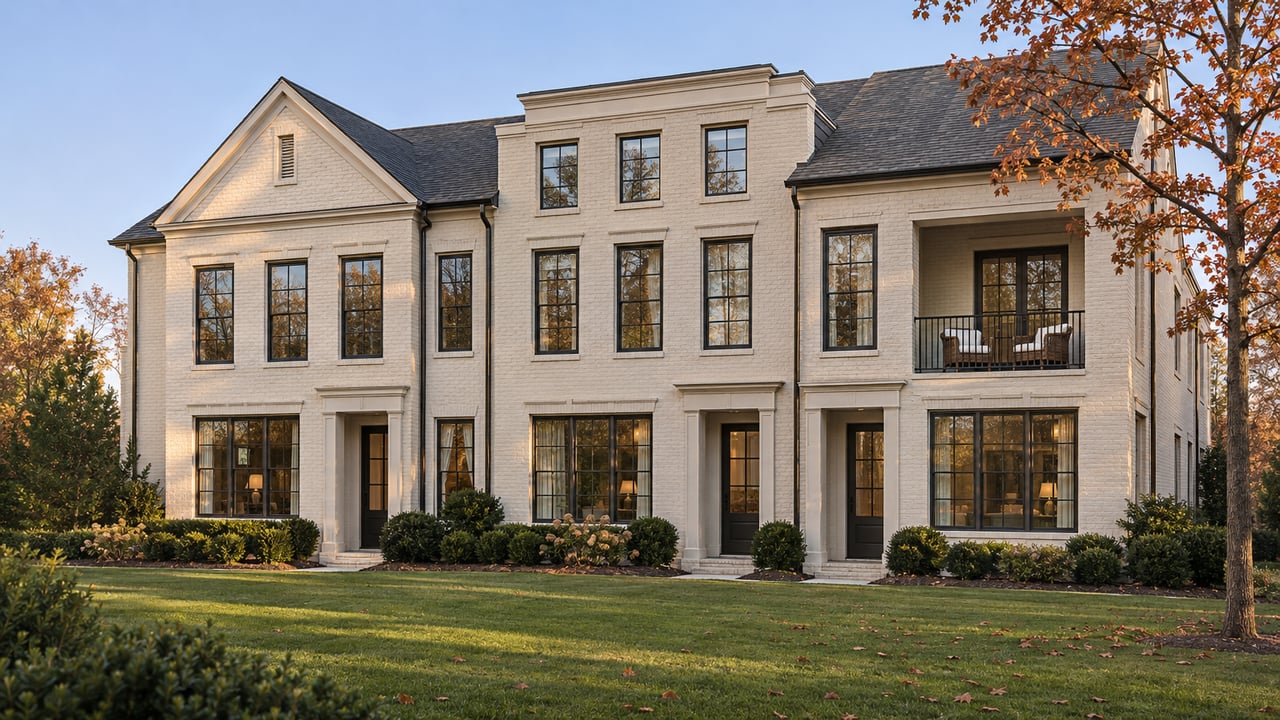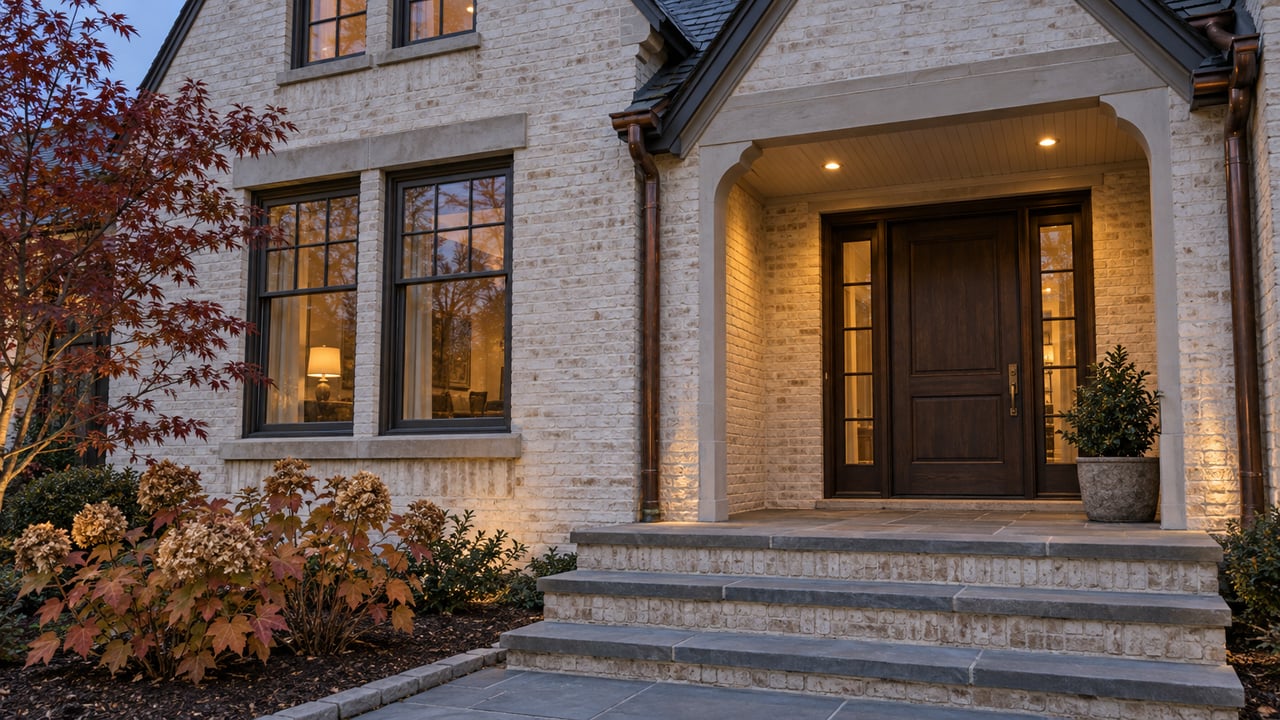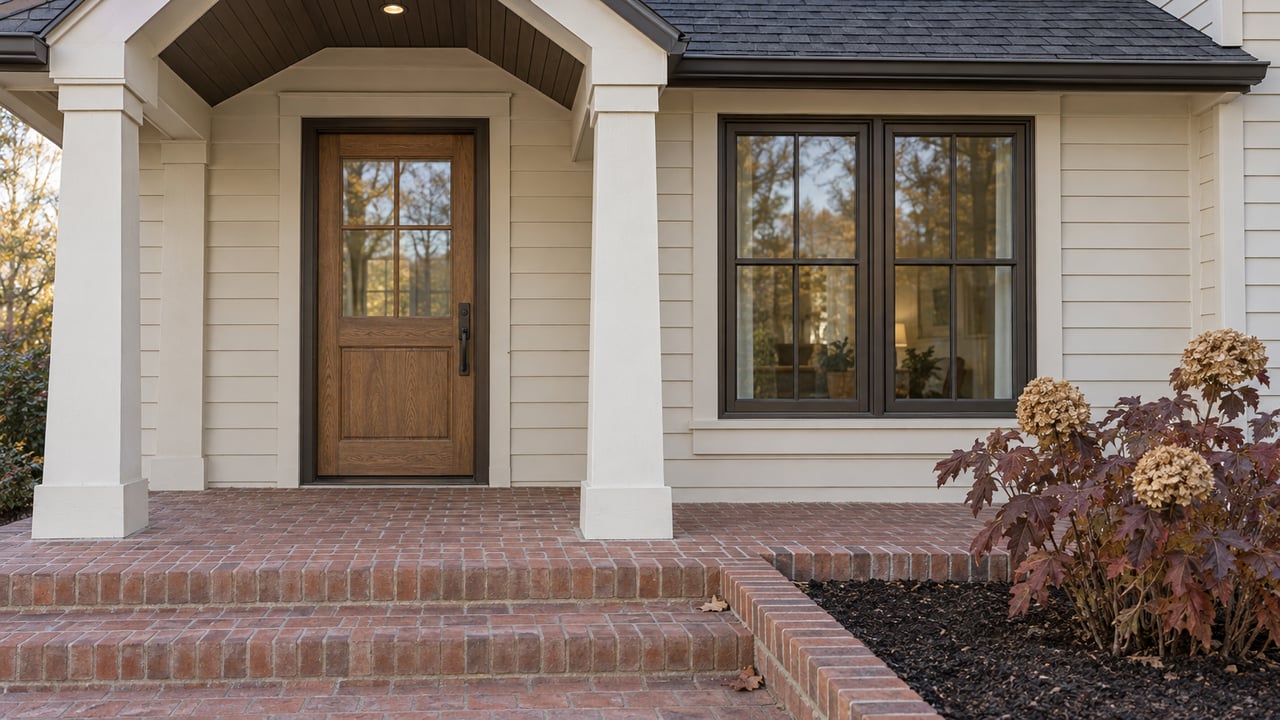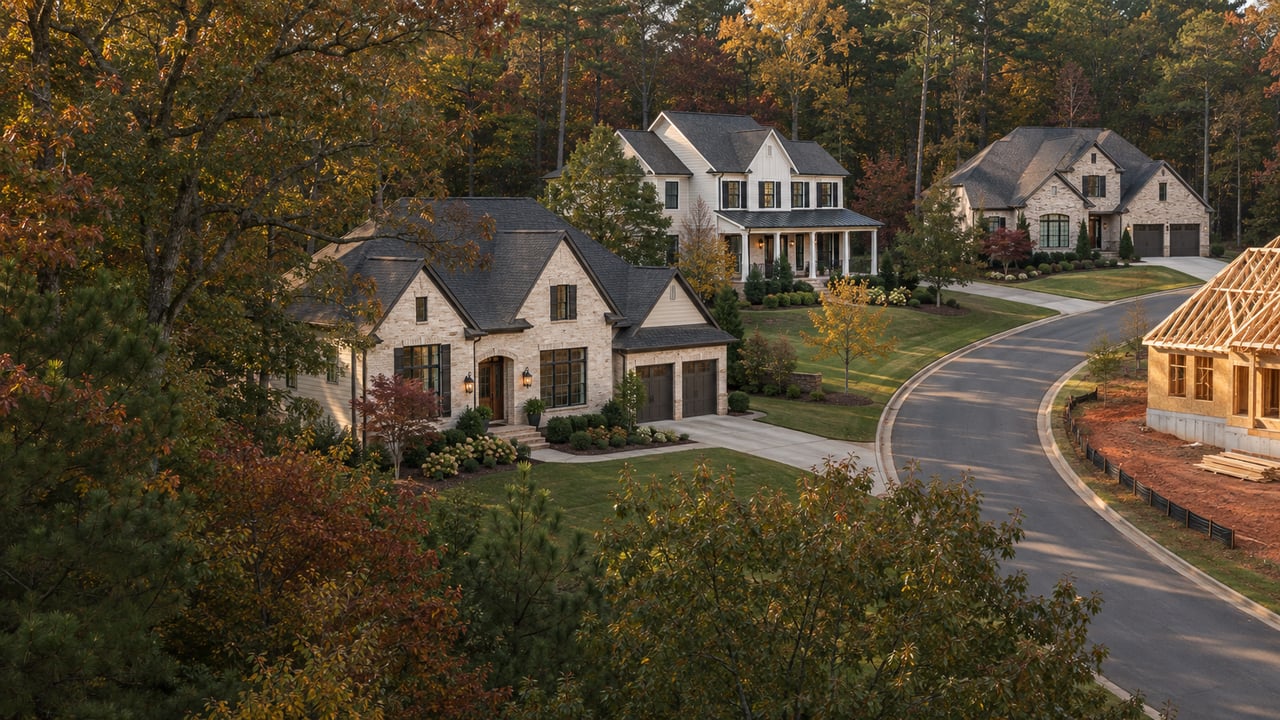
"Wait, I thought you had a moratorium. Why am I still seeing properties being developed?"
Forsyth County Commission Chairman Alfred John repeated that question on the county's own moratorium podcast, published November 6, 2026. He described it as the concern people have raised "over the last year or so," often about pastureland cleared across the street. He connected the development people are seeing today to land approved, or with an application already filed, from about mid-2017 onward.
For anyone weighing new construction around Cumming, that answer matters more than the word "moratorium." Much of today's new-construction inventory was approved before the county decided to rewrite its rules. The rewrite points to a different kind of land plan for future approvals. Buyers are standing between the two.
One Freeze, Three Clocks
The county's zoning page describes two separate moratoriums. Together they sort residential land into three groups, and each group runs on its own timeline.
| Land group | Status as of mid-November 2026 | Runs through |
|---|---|---|
| Recent zonings | The board let recent zonings continue | — |
| Residential zoning granted before April 13, 2017, never developed | No sketch plat or land disturbance permit applications accepted | May 4, 2027 |
| New residential rezoning requests | Not accepted, except RES1, MRD and MCD | April 13, 2027 |
The rezoning pause began April 17, 2025. The Board of Commissioners has extended it several times, most recently on October 15, 2026. The board extended the separate pause on older zonings on November 5, 2026, just before it was due to expire on November 17.
County Attorney Ken Jarrard explained the design on the podcast. The board let recent zonings continue "in fairness," because "they had gone through the process." It paused the older ones because "they've been sitting there. No active development has occurred."
New Construction and the Old Rules
The October 15 resolution states the rezoning pause's purpose plainly. It prevents "the filing of applications that could cause vesting under outdated development standards" while the Unified Development Code and the Comprehensive Plan are rewritten.
In other words, the county calls the standards under which much of today's new-construction inventory was approved "outdated." Chairman John put numbers on the difference. He said earlier densities ran "two to an acre, three to an acre," while the newer approvals he pointed to come in below one home per acre.
Many of today's new communities were approved under the earlier standards. That says nothing about the quality of any particular home.
What the County Is Approving Instead
The exceptions to the rezoning pause show where the county is heading. On April 2, 2026, the board reopened RES1 applications. It said completed code updates to residential design and performance standards had addressed its immediate RES1 concerns. MRD and MCD applications are also accepted.
- RES1: Single-family detached homes. Chairman John calls it "homes on one-acre lots." The Unified Development Code sets a 40,000-square-foot minimum where a lot uses on-site septic and offers an incentive for subdivisions with lots of at least one acre.
- MRD, the Mixed Residential District: The chairman's example was 59 homes on 78 acres, about 0.77 to 0.86 homes per acre.
- MCD, the Mixed-Use Center District: A mix of commercial, office, residential and light-industrial uses on a site of at least 30 acres. Residential uses cannot predominate, and density is capped at six homes per acre before incentives.
Chairman John's best single example was Fuller Farm:
"When it first started five, six years ago, when they were marketing that property, I remember them coming to me and asking for about 70 homes on 42 acres, or 45 acres. Today it's 29. Sorry, I take that back. It might be 27 now."
The standards for the next generation of subdivisions are already partly written. The county's Tree Protection and Replacement Ordinance, adopted April 2, 2026, sets several requirements:
- Residential zoning applications must reserve at least 10% of the site for tree groupings.
- The ordinance includes a three-year restriction on rezoning after clearcutting.
- Most residential projects of 10 acres or more, outside Mixed Use zoning districts, need a pre-submittal meeting with the County Arborist unless it is waived, and must show tree-canopy calculations on the site plan.
The board also approved new North Forsyth design standards that day. A staff memo records the Planning Commission's proposal to cut the maximum width of front-entry garages from 50% to 30% of the home's width.
Mass grading is still in progress. Chairman John said he has spent 18 months to two years working on it, and he named Princeton Square in south Forsyth as his model. There, the roads were built first and grading happened lot by lot. No limit on mass grading has been adopted yet. For someone with construction experience, this is the change to watch. Grading lot by lot keeps mature trees and the natural grade. Mass grading usually means flattening the whole site and planting new trees afterward.
The Frozen Legacy Parcels
The pre-2017 group is less predictable than it looks. When the board first paused permits on that land in May 2025, the meeting minutes said the goal was to identify residential properties rezoned in the 15 years before April 13, 2017 that were still undeveloped, review those approvals, and decide whether the county should start rezonings that match its Comprehensive Plan and Land Use Vision.
Forsyth Daily reported that staff showed commissioners a map of these approved-but-unbuilt legacy parcels at an October 20 work session.
The Resale Market Is Not Short of Homes
In October 2026, the Georgia MLS county snapshot showed:
- 174 residential sales in Forsyth County, down 25.0% from October 2025
- 132 homes put under contract, down 36.5%
- 1,188 active listings, up 6.1%
- A median sale price of $585,000, unchanged from a year earlier
These are one MLS's county-wide figures, and they describe slower demand at a steady price. The drop in contracts is the forward-looking number. Fewer homes went under contract in October than closed. The moratorium limits what can be approved in 2027 and beyond. The homes for sale today are a separate matter, and right now there are more of them than a year ago.
Buyers can judge a new-construction community on its land plan as well as its finishes. A home in a community approved under the older standards can still be the right purchase. The point is to know which set of rules shaped the lot, the tree line and the land around it.
This post reports on county rules and links to their sources. It is general information, not legal advice, so please confirm how any rule applies to a specific property with a land-use attorney or the county's Planning and Community Development department.
When the Rules Could Change
The October 15 resolution allows the board to end the rezoning pause before April 13, 2027 by majority vote. Appen Media reported that officials considered the code rewrite close to done and that Chairman John expected the pause to end well before April.
The Comprehensive Plan update follows the code rewrite. The county awarded Blue Cypress Consulting a $254,200 contract on August 6, 2026. According to Forsyth Daily's report on the October 15 meeting, the 12-month process includes five district visioning workshops and runs to an October 2027 adoption deadline.
Code amendments are posted ahead of their hearings on the county's Unified Development Code page, which listed first Planning Commission hearings for November 17, 2026.
If you are comparing new communities around Cumming, Rony Smith-Ghelerter can review the site plan with you before you commit. Schedule a private consultation.